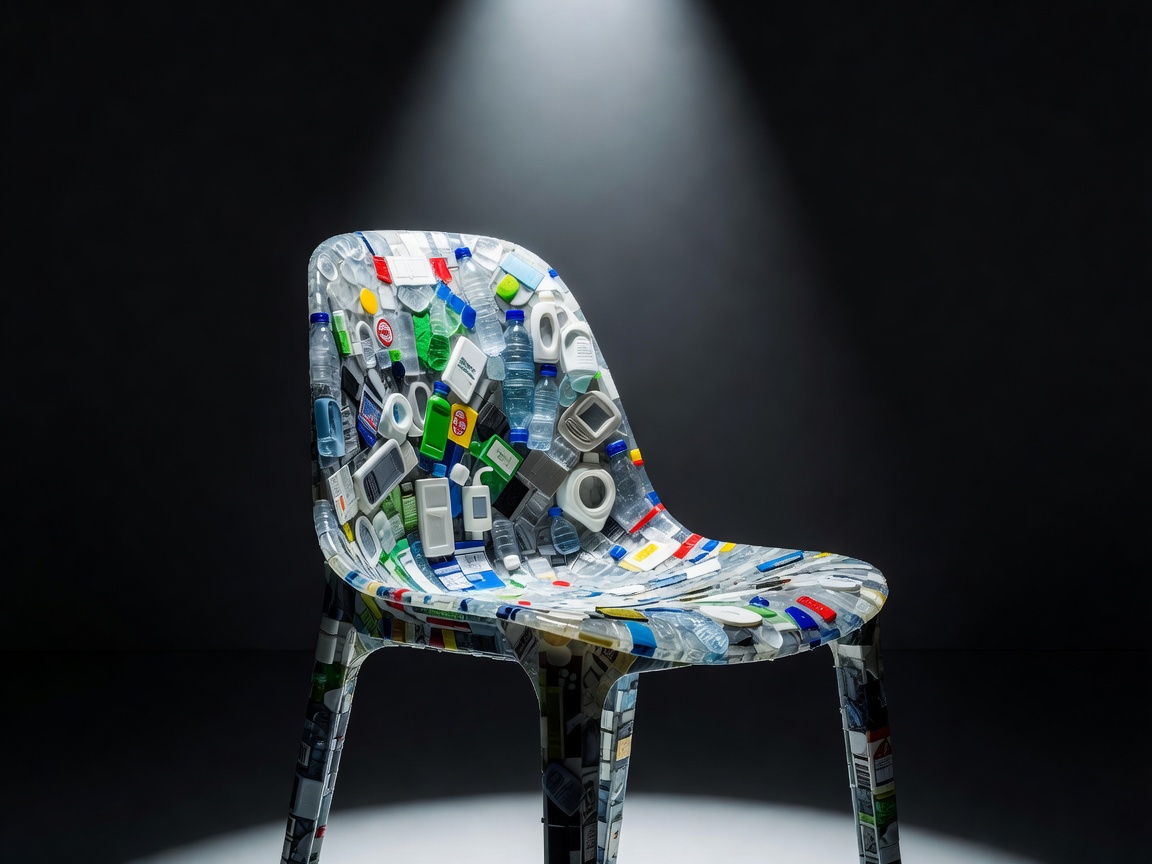
While Milan's Salone del Mobile dominates the spring, the autumn design calendar offers something arguably more intellectual and experimental. The focus shifts from pure commercial furniture fairs to material innovation, urban intervention, and social design. For architects, buyers, and design enthusiasts, September and October require a shift in perspective.
London Design Festival - LDF (Mid-September)
LDF is massive, decentralized, and deeply embedded into the fabric of the city. It operates through a series of "Design Districts," transforming London into a patchwork of exhibitions, from high-end showrooms in Mayfair to gritty maker spaces in the East End.
Navigating the Zones
- The V&A Museum: Always the central hub of LDF, hosting spectacular, large-scale commissioned installations in its historic galleries. This should be your starting point.
- Brompton Design District: Focuses heavily on collectible, avant-garde design and experimental student showcases (often from the Royal College of Art).
- Shoreditch Design Triangle: The energetic heart of the festival for independent brands, pop-ups, and legendary opening night parties.
Pros & Cons
The primary advantage of LDF is its scale and integration with one of the world's great creative capitals. It offers a perfect blend of commercial product launches and conceptual installations. The downside is logistical fatigue. You cannot see everything. Success at LDF requires ruthless curation of your itinerary; pick two districts per day and utilize the Tube efficiently.
Dutch Design Week - DDW (Eindhoven, Late October)
Held in the post-industrial city of Eindhoven (the former home of Philips electronics), DDW is fundamentally different from London. It is highly concentrated, heavily focused on the future, and deeply rooted in the output of the prestigious Design Academy Eindhoven.
Installations vs. Talks
- The Graduation Show: The anchor of DDW is the Design Academy Eindhoven graduation show. It is an unparalleled opportunity to spot the next generation of global design talent before they are established.
- Strijp-S: The former industrial area serves as the festival's pulsing core, packed with exhibitions focused on circular economy, bio-design, and social problem-solving.
- Industry Talks: DDW is renowned for its intellectual rigor. The daily panel discussions on material scarcity, AI in design, and sustainable manufacturing are essential for industry professionals.
Pros & Cons
DDW's greatest strength is its focus on *how* things are made and *why*, rather than just what they look like. It is the best place to see speculative and bio-design. Because Eindhoven is small, it is highly walkable and cyclable, eliminating the transport exhaustion of London. The main con is that it is less commercially focused; if you are purely looking to buy ready-to-market furniture, Milan or London are better options.
Where to Invest Your Time in 2026
Your choice depends on your objective. If you are an interior designer, architect, or retail buyer looking for market-ready products, established brands, and high-end networking, dedicate a full week to the London Design Festival. If you are an educator, material researcher, or someone fascinated by the intersection of design, technology, and climate solutions, Dutch Design Week is the most important date on your calendar.